
Fertility is influenced by many factors such as hormones, overall health, and genetics, but age remains one of the most important predictors of someone’s ability to conceive. Whether you’re trying to conceive now or planning for the future, understanding how fertility changes with age can help you make informed decisions.
Why Age Matters:
People are born with all the eggs they will ever have - around 1-2 million at birth. By puberty, that number drops to about 300,000, and only a fraction will ever mature. Over time, the number of eggs declines and the quality of remaining eggs decreases, which makes conception more challenging and increases the risk of miscarriage.
Sperm quality also changes with age, though more gradually. DNA fragmentation, motility, and semen volume tend to decline in the late 30s and 40's.
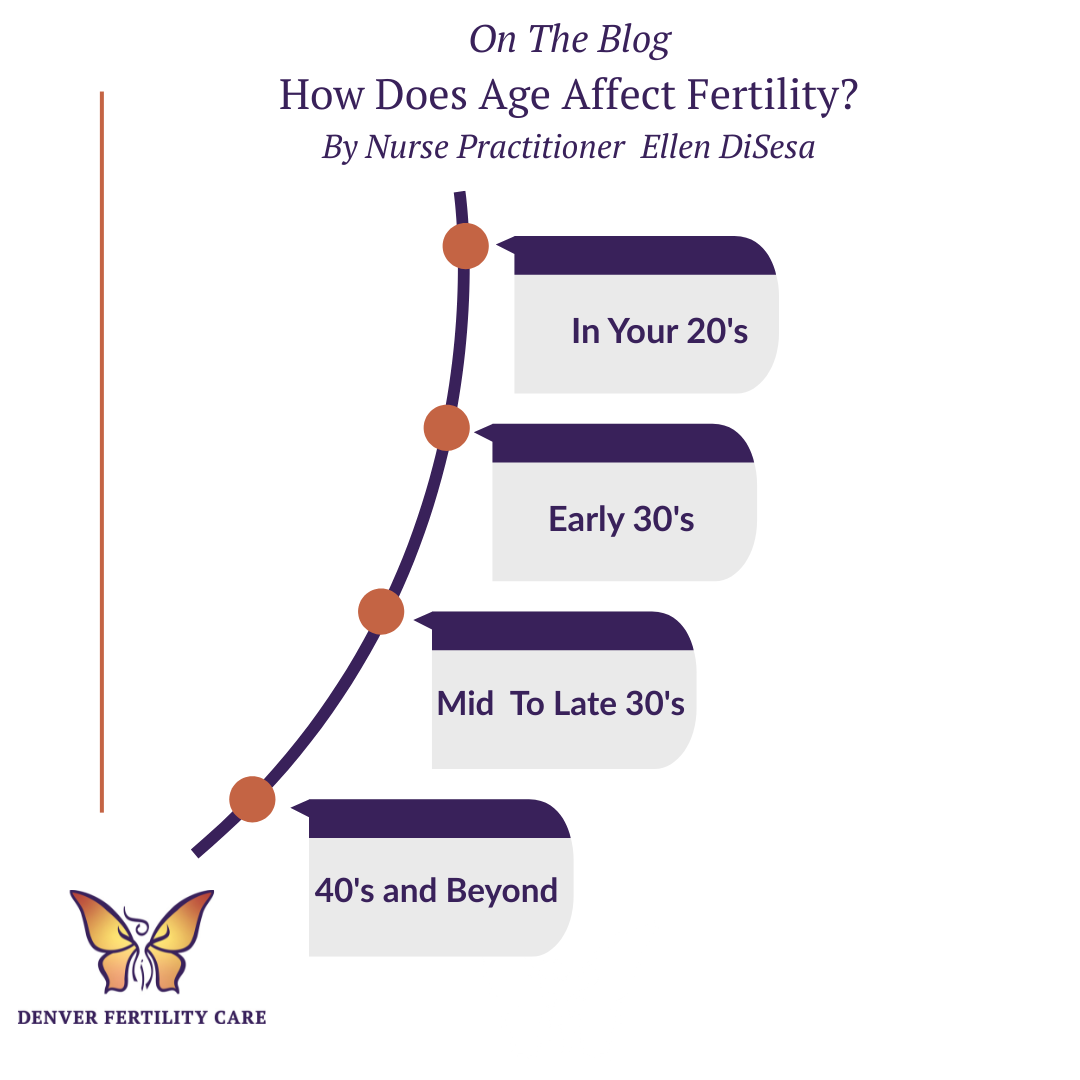
Fertility by Age:
In Your 20s
Peak fertility: conception per cycle is highest
Lower rates of miscarriage and chromosomal abnormalities
Best success rates with treatments like IUI and IVF
Early 30s (30–34)
Fertility remains strong, though it begins a slow decline
Most people in this range still conceive within a year
Egg quality starts to decrease gradually
Mid to Late 30s (35–39)
Around age 35, the rate of egg loss accelerates
Higher rates of aneuploidy (chromosomal abnormalities) and miscarriage
More difficulty conceiving naturally and lower IVF success rates
Fertility specialists often recommend earlier evaluation (after 6 months of trying)
40 and Beyond
Fertility drops more rapidly after age 40
Lower ovarian reserve and higher chance of abnormal eggs
Success rates for natural conception and IVF decline significantly
However, many individuals do still conceive (especially with treatment or the use of donor eggs)
While the decline is slower, age can impact:
Sperm motility (movement) and morphology (shape)
DNA integrity
Time to pregnancy
Risk of certain conditions in offspring
Evaluation is still important (fertility is always a two-partner equation)
How We Evaluate Age-Related Fertility
A fertility work-up may include:
Ovarian reserve testing
Ovulation assessment
Semen analysis
Ultrasound for uterine and ovarian health
Age is one piece of the puzzle, but personal medical history, cycle regularity, and lifestyle also play major roles
What You Can Do
Even though age affects fertility, there are proactive steps you can take:
Get evaluated early if you’re over 35 or have known reproductive health concerns
Track ovulation to time intercourse or inseminations more effectively
Consider supplements, optimizing sleep, managing stress, and maintaining overall health
Explore fertility preservation options (egg or embryo freezing), especially if you’re not ready to conceive yet
Age impacts fertility, but it doesn’t define your journey. Many people conceive in their late 30s and 40s - some naturally, some with support from a fertility specialist. The most empowering step is understanding your reproductive health early and creating a plan that aligns with your goals.
If you have questions about your fertility at any age, our team at Denver Fertility Care is here to help, contact us today.
References:
Having a Baby After Age 35: How Aging Affects Fertility and Pregnancy | ACOG
Does My Age Affect My Fertility? patient education fact sheet | ReproductiveFacts.org
Denver Fertility Care was founded in 2010 to provide exceptional, state-of-the-art fertility treatments tailored to each patient's unique journey. Led by Dr. Dana Ambler, who is board certified in Obstetrics and Gynecology as well as in Reproductive Endocrinology and Infertility, our highly trained team is dedicated to helping you achieve the family of your dreams with compassionate, comprehensive care. Our affiliations include:
To learn more, schedule a consultation by filling out our online form, or call: (720) 420-1570.
Locations
We have 2 locations the greater Denver area